Water is one of those things we tend to take for granted. We turn on the tap to make coffee, wash vegetables, take a shower, or fill a bucket for the garden, rarely stopping to consider what’s actually in it. That changes pretty quickly when white mineral marks appear on faucets, laundry comes out looking dull, or the water develops an unusual taste. Suddenly, something so ordinary becomes a daily concern.
The trouble is that water quality isn’t always easy to judge. Clear water can still contain unwanted substances, and a strong smell doesn’t necessarily tell you exactly what’s causing the problem. Rather than guessing or buying the first filter you see, it makes sense to understand your water and choose a treatment method that fits your needs.
Understanding What’s Coming Through Your Tap
Water travels through a variety of natural environments and distribution systems before reaching a property. Along the way, it may contain dissolved minerals, suspended particles, metals, or other substances. Some are harmless at typical levels but inconvenient, while others deserve closer attention because of their potential health effects.
Hard water is a common example. Calcium and magnesium can accumulate on showerheads, inside kettles, and around plumbing fixtures. These deposits may make cleaning more difficult and contribute to scale buildup in water heaters and other appliances. Iron can leave orange or reddish stains, while certain sulfur compounds produce the familiar rotten-egg odor.
Not every problem is visible, though. Bacteria, nitrates, lead, and other contaminants may require specific tests to identify. That’s particularly important for properties using private wells, borewells, or other sources that can change with weather, nearby activities, and seasonal conditions.
Testing is the sensible first step. Once you understand the water’s characteristics, you can make a more informed decision about whether filtration, softening, disinfection, or another treatment process is appropriate.
Is Reverse Osmosis the Right Choice for Your Home?
For many households, the biggest concern is drinking water. People want water that tastes pleasant and meets appropriate quality standards, without the inconvenience of constantly buying bottled water. Depending on the source, an under-sink purification system may help address some of those concerns.
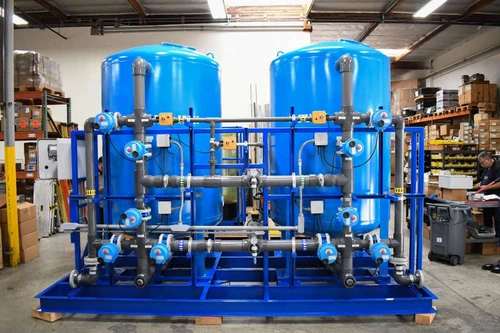
A whole home reverse osmosis system is a different proposition from the compact reverse osmosis units commonly installed beneath kitchen sinks. Whole-house reverse osmosis treats water entering the property, potentially supplying multiple outlets with treated water. However, this approach isn’t necessary for every home and may involve greater installation costs, energy requirements, water storage considerations, and wastewater production.
Reverse osmosis works by applying pressure to move water through a semipermeable membrane. The membrane rejects much of the dissolved material, which leaves in a concentrated wastewater stream. The exact substances reduced and the system’s overall performance depend on its design, maintenance, and incoming water quality.
Before choosing a whole-house system, consider what you actually need to treat. If the main concern is drinking water, a properly selected point-of-use system may be sufficient. If a property has a broader water-quality issue, a professional assessment can help determine whether whole-house treatment is justified.
Always review the manufacturer’s performance information and relevant independent certifications. No purification system should be assumed to remove every possible contaminant.
Water Treatment Is About More Than Purification
The word “treatment” covers several different processes, and each has a particular purpose. Understanding the differences helps prevent unnecessary purchases.
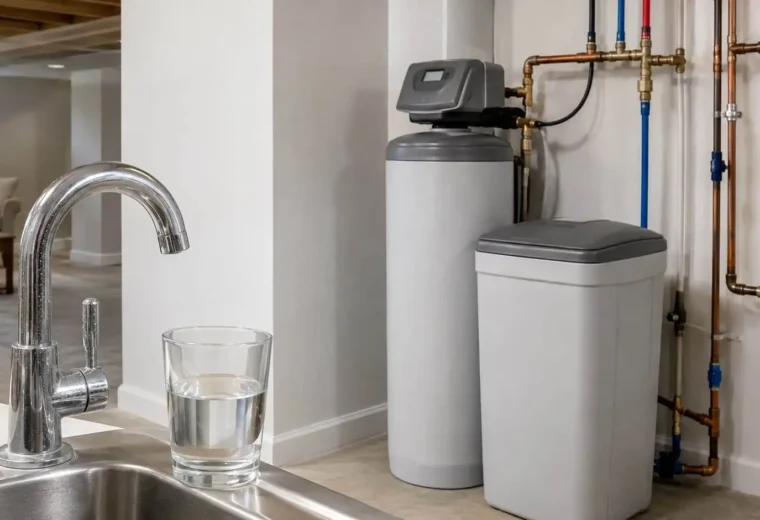
Water softeners are designed primarily to reduce hardness minerals such as calcium and magnesium. Sediment filters capture suspended particles, including sand and silt. Activated carbon can improve certain tastes and odors by reducing specific compounds, while other specialized filters may target substances such as iron or manganese when conditions are suitable.
Disinfection is another category entirely. Where harmful microorganisms are a concern, an appropriate method may be needed to control them. A standard sediment or carbon filter shouldn’t be treated as a substitute for a validated disinfection process.
This is why home water treatment should begin with a clear understanding of the problem rather than a long list of product features. A household dealing with scale may benefit from a softener, while another household may need a certified drinking-water filter or a combination of technologies.
The best system is not necessarily the one with the most stages or the highest price. It’s the one that addresses the identified concern, fits the available space and water demand, and can be maintained properly over time.
Farms Have Different Water Requirements
Water plays an essential role in agriculture, but the right quality depends on how it will be used. Irrigation water, livestock drinking water, equipment-cleaning water, and water used in food-related operations may all have different requirements.
For example, suspended sediment can clog irrigation emitters and increase maintenance demands. High salinity may affect certain crops or soils, depending on the levels involved and local conditions. Water with unsuitable mineral content can also create challenges for some equipment and agricultural processes.
That makes farm & agriculture systems an important area of consideration when planning water treatment. A suitable system should reflect the water source, flow requirements, intended application, and results of relevant testing. Treating every litre to drinking-water standards may be unnecessary for some agricultural uses, while other applications may require more stringent controls.
Farm owners should also consider seasonal changes. A borewell may behave differently during dry periods than after heavy rainfall, and surface-water quality can vary throughout the year. Periodic testing and routine inspections help identify changes before they become costly operational problems.
When evaluating treatment equipment, look beyond the purchase price. Water recovery, energy consumption, replacement parts, servicing, and the availability of technical support all contribute to the long-term cost.
Choosing Equipment That Fits Your Property
A little planning can prevent a great deal of frustration. Start by estimating how much water the property uses each day and when demand is highest. A system designed for a small household may struggle in a large home or busy workplace, while an oversized unit may cost more than necessary.
Installation conditions matter, too. Some systems need dedicated drainage, electrical connections, storage tanks, or changes to existing plumbing. Others require regular replenishment of treatment materials or scheduled filter replacements. Understanding these details in advance makes it easier to compare options fairly.
Ask suppliers to explain which substances their equipment is designed to reduce, what evidence supports those claims, and how performance will be checked after installation. If water safety is the concern, consider independent laboratory testing rather than relying solely on taste or a basic screening.
It’s also worth asking about maintenance before signing an agreement. A system that works well initially may become less effective if its filters, membranes, or other components aren’t serviced at the recommended intervals.
Everyday Maintenance Makes a Difference
Even a well-chosen treatment system needs attention. Filters gradually collect particles or use up their effective capacity, while membranes and other components may need replacement according to the manufacturer’s schedule. Connections should be checked for leaks, and unexpected changes in water quality should be investigated.
Keep records of service dates and test results. It doesn’t have to be complicated; a note on your phone or a simple calendar reminder is often enough. For properties using private water sources, continue testing even after installing treatment equipment. The system may address specific contaminants, but it doesn’t remove the need to monitor the source itself.
If water suddenly changes color, develops an unusual odor, or tastes noticeably different, don’t assume the treatment equipment will automatically correct it. Find out what’s changed and take appropriate steps based on the results.
Make Your Water Decision With Confidence
Good water management starts with asking the right questions. What is the problem? Which tests can confirm it? What treatment technology is suitable, and what will it cost to operate and maintain?
Those questions matter whether you’re improving drinking water at home, protecting plumbing and appliances, or supporting a farm’s daily operations. Reliable testing, realistic expectations, and well-matched equipment are far more valuable than promises of a universal solution.
Water is part of everyday life, so improvements can make a real difference over time. Take the time to understand your source, compare verified treatment options, and plan for regular maintenance. With a thoughtful approach, you can make a practical investment in water quality without paying for equipment you don’t need.