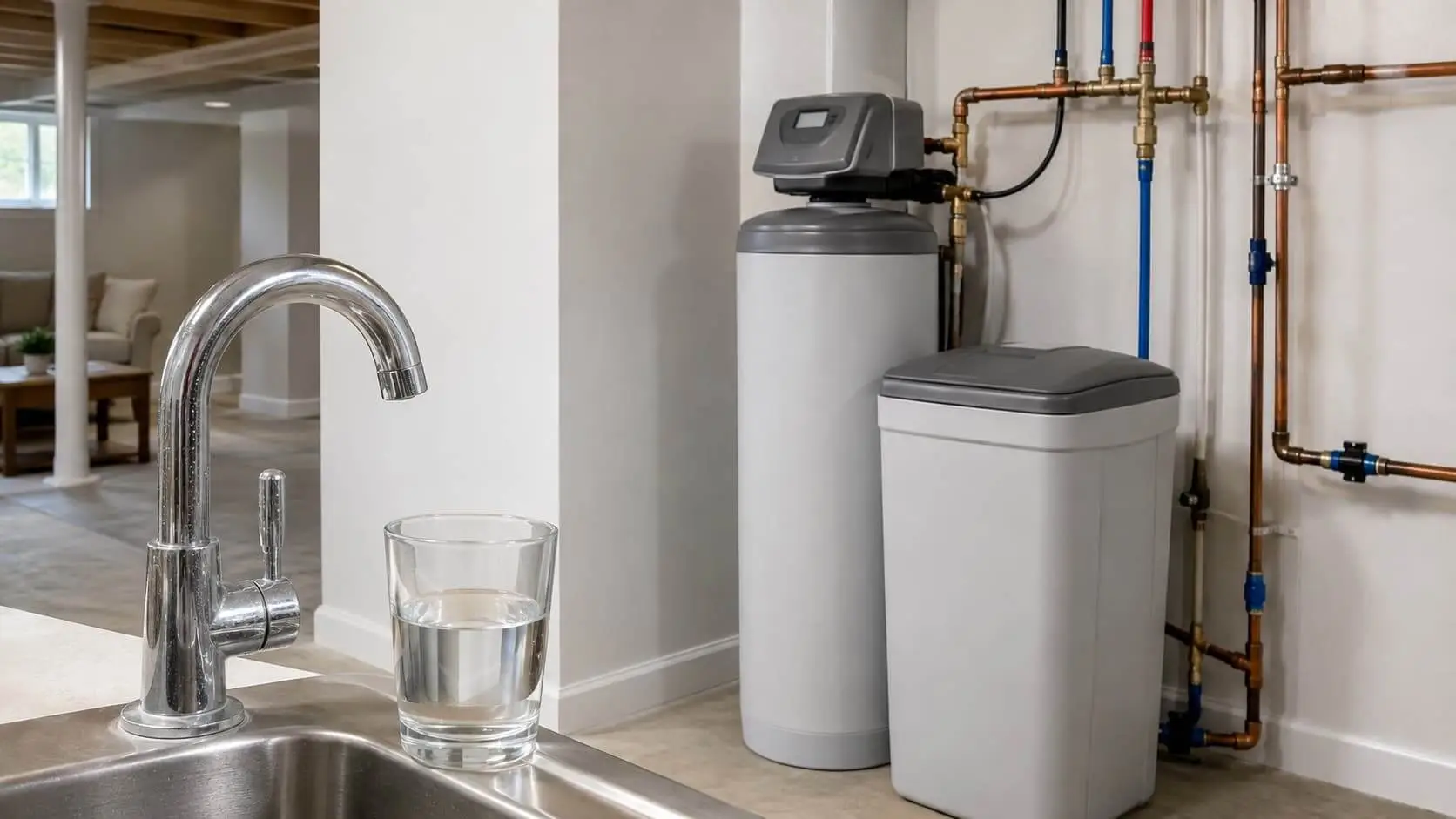
Water is one of the few things in a home that touches almost everything. It runs through the kitchen tap, fills the washing machine, heats up for a shower, and quietly works behind the scenes in appliances and plumbing. When the quality is poor, the inconvenience can spread quickly. Stained fixtures, unpleasant tastes, dry-feeling skin, and scale inside appliances are small problems individually, but they can become frustrating over time.
That’s why choosing the right residential water treatment system deserves a little more thought than simply buying the first filter available. Every property has different water conditions, household needs, and budget considerations. A practical solution should address the actual problem while remaining easy to maintain.
What Are Residential Water Solutions?
The term residential water solutions covers a range of systems designed to improve water quality in homes. These may include whole-house filtration, water softeners, drinking-water systems, iron and sulfur treatment, ultraviolet disinfection, and other specialized equipment.
The purpose isn’t always to make water “perfect.” Instead, treatment focuses on reducing specific concerns, such as hard-water scale, sediment, chlorine taste, or certain contaminants identified through testing.
Some systems treat water throughout the house, while others focus on a single tap. Understanding that difference is important because a family concerned about shower water may need a different setup from someone primarily interested in improving drinking water.
Why Water Testing Should Come First
Before investing in equipment, homeowners should find out what is actually present in their water. Municipal water and private well water can have very different characteristics. Even within the same region, mineral content and plumbing conditions may vary.
A water test can identify issues such as hardness, pH imbalance, iron, sulfur, chlorine, and other indicators. More detailed laboratory testing may be necessary when there are concerns about specific chemical or microbial contaminants.
Testing helps prevent a common mistake: buying a system that solves a problem you don’t really have. For example, a carbon filter may improve taste and odor, but it won’t soften hard water. Likewise, a softener isn’t designed to remove every dissolved contaminant.
A good treatment decision begins with evidence, not guesswork.
Understanding Hard Water in Everyday Life
Hard water contains elevated levels of calcium and magnesium. These minerals are naturally occurring and are not usually considered a direct health concern, but they can create several household annoyances.
You might notice white scale around faucets, spots on glass shower doors, or deposits inside kettles and water heaters. Soap may lather less effectively, and laundry can sometimes feel stiff after washing.
The severity depends on the mineral concentration and how the water is used. In areas with particularly hard water, scale can build up inside pipes and appliances, potentially affecting efficiency and increasing maintenance needs.
Although hard water is common, it doesn’t mean every household needs a treatment system. Testing the hardness level and considering the extent of the problem can help determine whether treatment is worthwhile.
How Water Softeners Work
Water softeners are commonly used to reduce hardness minerals through ion exchange. In a typical system, water passes through resin beads that attract calcium and magnesium ions. During regeneration, the system cleans the resin so it can continue working.
For many households, a softener can reduce scale buildup, improve soap performance, and make cleaning fixtures less of a chore. It may also help protect water heaters and other appliances from mineral deposits.
However, softeners aren’t universal filtration systems. They don’t automatically remove sediment, chlorine, bacteria, or every chemical contaminant. Depending on the technology, they may also add sodium or potassium to the treated water.
Homeowners should consider whether softened water will be used for drinking, cooking, bathing, or all household purposes. A separate drinking-water system may be appropriate in some situations.
Whole-House Filtration Versus Point-of-Use Systems
One of the biggest decisions is whether to treat water throughout the property or only where it is consumed.
Whole-House Filtration
Whole-house systems are installed near the main water entry point. They can treat water used in showers, bathrooms, laundry areas, and kitchen fixtures. This approach may be useful when the concern affects the entire household.
Depending on the design, a whole-house system may include sediment filtration, carbon treatment, softening, or specialized contaminant reduction.
Point-of-Use Filtration
Point-of-use systems focus on a specific location, such as a kitchen tap. Reverse osmosis systems and under-sink carbon filters are common examples.
These systems may be more practical when the main goal is improving drinking and cooking water rather than treating every fixture in the home.
Neither approach is automatically better. The choice depends on the water test, household priorities, installation space, and ongoing costs.
Choosing the Right Treatment Technology
Different water concerns require different solutions. Here’s a general guide:
- Sediment filters: Help remove sand, dirt, rust, and suspended particles.
- Carbon filters: Often used to improve chlorine taste and odor.
- Water softeners: Reduce calcium and magnesium hardness.
- Reverse osmosis: Can reduce many dissolved substances, depending on the membrane and system design.
- UV systems: Help control certain microorganisms when properly installed and maintained.
- Iron and sulfur treatment: Designed for specific staining and odor problems.
A combination system may be useful, but more equipment isn’t always the answer. Each component should have a clear purpose.
Installation, Maintenance, and Long-Term Costs
A water treatment system is a long-term household investment, so installation and maintenance deserve as much attention as the initial purchase price.
Before choosing a provider, ask about water pressure requirements, available installation space, drainage, electricity, filter replacement, and servicing. A system that is difficult to maintain may become a burden, even if it performs well initially.
Filters and membranes have limited lifespans. Softener systems may require salt replenishment, while UV systems need lamp and sleeve maintenance. Ignoring these tasks can reduce performance and potentially create new water-quality concerns.
It’s also smart to compare the total cost of ownership rather than focusing only on the equipment price. Replacement parts, service visits, electricity, and water usage can all affect the long-term budget.
What to Look for in a Water Treatment Provider
A reliable provider should begin by asking questions. What is the water source? What problems have you noticed? How many people live in the home? Is the concern mainly drinking water, plumbing protection, or both?
Look for clear explanations, written estimates, relevant product certifications, and realistic claims. Be cautious of anyone promising that one system can remove every contaminant or solve every water issue.
After-sales support matters, too. Even a quality system needs replacement parts and occasional service. A provider who remains available after installation can make ownership much easier.
Final Thoughts
Good residential water treatment is about finding the right balance between water quality, household comfort, cost, and convenience. A softener may be ideal for hard-water problems, while a carbon filter or reverse osmosis system may better suit drinking-water concerns.
Start with testing, understand what each technology can and cannot do, and choose equipment that fits your actual needs. With sensible planning and regular maintenance, a well-designed water treatment system can make everyday life easier while helping protect the home’s plumbing and appliances.