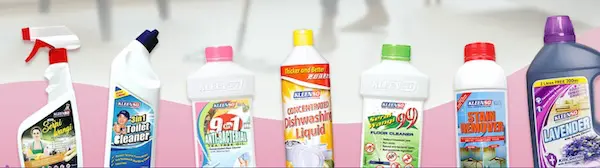
I’ll admit, I was skeptical about eco-friendly cleaning products for a long time. My assumption was that anything without harsh chemicals just wouldn’t cut through real grease and grime. Turns out I was wrong — some of these work just as well, minus the chemical smell that lingers for hours.
Let’s talk about which ones are genuinely effective, not just marketed as “green” with no real substance behind it.
Do Eco-Friendly Cleaning Products Actually Work?
Yes — quality eco-friendly cleaning products using ingredients like vinegar, baking soda, and citrus-based degreasers are proven effective against everyday grease, grime, and bacteria, though they may need slightly more scrubbing effort than harsh chemical alternatives.
1. White Vinegar
This is the workhorse of eco-friendly cleaning. Diluted with water, it cuts through soap scum, hard water stains, and even mild grease. It’s also incredibly cheap compared to branded cleaners.
2. Baking Soda
Great for scrubbing without scratching surfaces — use it on stovetops, sinks, and even as a fridge deodorizer. Mix with a little water for a paste that tackles tougher stains.
3. Castile Soap-Based Cleaners
A plant-based soap that works as an all-purpose cleaner when diluted. It’s gentle enough for daily surfaces but strong enough for actual dirt, not just dust.
4. Citrus-Based Degreasers
Store-bought or homemade citrus peel infusions (soaked in vinegar for a couple weeks) cut through kitchen grease surprisingly well, and they leave a genuinely pleasant smell behind. [link to related guide about deep cleaning checklist here]
5. Microfiber Cloths
Not a product exactly, but worth mentioning — microfiber cloths reduce the need for chemical cleaners altogether since they trap dust and grime mechanically, especially useful for glass and mirrors.
Store-Bought vs DIY Eco-Friendly Options
Both have their place. DIY solutions (vinegar, baking soda) are cheaper and reduce packaging waste, but store-bought eco-friendly brands often add enzymes or plant-based surfactants that boost cleaning power beyond what a basic vinegar mix can achieve.
- DIY: cheapest, zero packaging waste, best for everyday surface cleaning
- Store-bought eco brands: better for tougher stains, convenient, still safer than conventional chemical cleaners
What to Watch Out For
Not everything labeled “natural” or “eco-friendly” actually is — some products slap green packaging on formulas barely different from conventional cleaners. Check the ingredient list, not just the marketing claims on the front label.
FAQs
Q1. Are eco-friendly cleaning products safe around pets and children? Generally yes, significantly safer than ammonia or bleach-based products, though always keep any cleaner out of reach regardless.
Q2. Do eco-friendly cleaners disinfect as well as chemical ones? Vinegar and certain plant-based cleaners have mild antibacterial properties, but for full disinfection (like after illness), stronger options are sometimes necessary.
Q3. Can I mix vinegar and baking soda for cleaning? You can, but they neutralize each other’s cleaning properties when combined directly — use them separately for best results.
Q4. Are eco-friendly cleaning products more expensive? DIY versions are cheaper than conventional cleaners; branded eco products can cost slightly more but often last longer due to concentration.
Q5. What surfaces should I avoid using vinegar on? Avoid vinegar on natural stone surfaces like marble or granite, as the acidity can etch and dull the finish over time.
Conclusion
You don’t need to sacrifice cleaning power to go the eco-friendly route. A few eco-friendly cleaning products — vinegar, baking soda, a good microfiber cloth — handle most household cleaning needs just fine, minus the harsh chemical smell and environmental impact. Give it a month, and you likely won’t miss the old bottles under your sink at all.
Suggested Alt Text: “Eco-friendly cleaning supplies including vinegar, baking soda, and microfiber cloths on kitchen counter”