Category: Cleaning

  • Eco-Friendly Cleaning Products That Actually Work

    Eco-Friendly Cleaning Products That Actually Work

    I’ll admit, I was skeptical about eco-friendly cleaning products for a long time. My assumption was that anything without harsh chemicals just wouldn’t cut through real grease and grime. Turns out I was wrong — some of these work just as well, minus the chemical smell that lingers for hours.

    Let’s talk about which ones are genuinely effective, not just marketed as “green” with no real substance behind it.

    Do Eco-Friendly Cleaning Products Actually Work?

    Yes — quality eco-friendly cleaning products using ingredients like vinegar, baking soda, and citrus-based degreasers are proven effective against everyday grease, grime, and bacteria, though they may need slightly more scrubbing effort than harsh chemical alternatives.

    1. White Vinegar

    This is the workhorse of eco-friendly cleaning. Diluted with water, it cuts through soap scum, hard water stains, and even mild grease. It’s also incredibly cheap compared to branded cleaners.

    2. Baking Soda

    Great for scrubbing without scratching surfaces — use it on stovetops, sinks, and even as a fridge deodorizer. Mix with a little water for a paste that tackles tougher stains.

    3. Castile Soap-Based Cleaners

    A plant-based soap that works as an all-purpose cleaner when diluted. It’s gentle enough for daily surfaces but strong enough for actual dirt, not just dust.

    4. Citrus-Based Degreasers

    Store-bought or homemade citrus peel infusions (soaked in vinegar for a couple weeks) cut through kitchen grease surprisingly well, and they leave a genuinely pleasant smell behind. [link to related guide about deep cleaning checklist here]

    5. Microfiber Cloths

    Not a product exactly, but worth mentioning — microfiber cloths reduce the need for chemical cleaners altogether since they trap dust and grime mechanically, especially useful for glass and mirrors.

    Store-Bought vs DIY Eco-Friendly Options

    Both have their place. DIY solutions (vinegar, baking soda) are cheaper and reduce packaging waste, but store-bought eco-friendly brands often add enzymes or plant-based surfactants that boost cleaning power beyond what a basic vinegar mix can achieve.

    • DIY: cheapest, zero packaging waste, best for everyday surface cleaning
    • Store-bought eco brands: better for tougher stains, convenient, still safer than conventional chemical cleaners

    What to Watch Out For

    Not everything labeled “natural” or “eco-friendly” actually is — some products slap green packaging on formulas barely different from conventional cleaners. Check the ingredient list, not just the marketing claims on the front label.

    FAQs

    Q1. Are eco-friendly cleaning products safe around pets and children? Generally yes, significantly safer than ammonia or bleach-based products, though always keep any cleaner out of reach regardless.

    Q2. Do eco-friendly cleaners disinfect as well as chemical ones? Vinegar and certain plant-based cleaners have mild antibacterial properties, but for full disinfection (like after illness), stronger options are sometimes necessary.

    Q3. Can I mix vinegar and baking soda for cleaning? You can, but they neutralize each other’s cleaning properties when combined directly — use them separately for best results.

    Q4. Are eco-friendly cleaning products more expensive? DIY versions are cheaper than conventional cleaners; branded eco products can cost slightly more but often last longer due to concentration.

    Q5. What surfaces should I avoid using vinegar on? Avoid vinegar on natural stone surfaces like marble or granite, as the acidity can etch and dull the finish over time.

    Conclusion

    You don’t need to sacrifice cleaning power to go the eco-friendly route. A few eco-friendly cleaning products — vinegar, baking soda, a good microfiber cloth — handle most household cleaning needs just fine, minus the harsh chemical smell and environmental impact. Give it a month, and you likely won’t miss the old bottles under your sink at all.

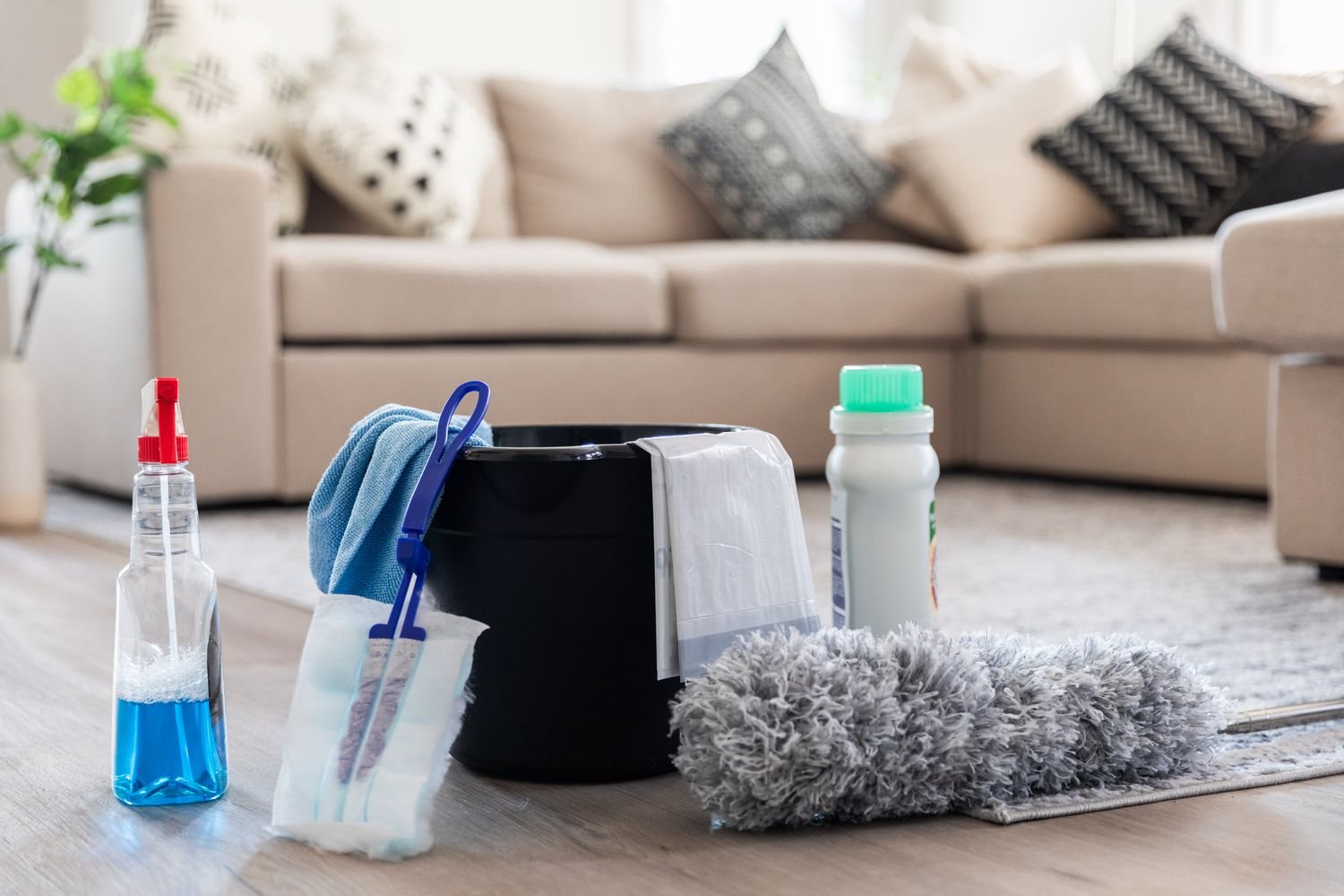
    Suggested Alt Text: “Eco-friendly cleaning supplies including vinegar, baking soda, and microfiber cloths on kitchen counter”
  • Deep Cleaning Checklist: Room-by-Room Guide for a Spotless Home

    Deep Cleaning Checklist: Room-by-Room Guide for a Spotless Home

    Regular cleaning keeps a home looking tidy. But there’s a whole layer of grime, dust, and buildup that regular cleaning simply doesn’t touch — behind appliances, inside cabinets, along ceiling corners. That’s what a proper deep cleaning checklist is actually for.

    I do a full deep clean every festival season, and honestly, it’s the difference between a house that looks clean and one that actually is clean.

    What’s the Difference Between Regular and Deep Cleaning?

    A deep cleaning checklist covers areas and tasks that don’t get touched during routine cleaning — think behind furniture, inside appliances, grout lines, and ceiling fans — typically needed every 2-3 months rather than weekly.

    1. Kitchen Deep Clean

    • Degrease the chimney filter and exhaust fan blades
    • Clean inside and behind the refrigerator, including the coils
    • Scrub grout lines on countertops and backsplash
    • Empty and wipe down every cabinet shelf, checking for expired items

    2. Bathroom Deep Clean

    Bathrooms hide grime in places you don’t look at daily. Scrub the grout, descale the showerhead and taps with a vinegar solution, clean behind the toilet base, and wash the exhaust fan cover — it collects more dust than you’d expect. [link to related guide about bathroom renovation mistakes here]

    3. Bedroom Deep Clean

    • Flip and vacuum the mattress, including under it
    • Wash curtains and pillow covers, not just bedsheets
    • Wipe down ceiling fan blades and light fixtures
    • Clean inside wardrobes, checking for dust buildup on shelves

    4. Living Room Deep Clean

    Move the furniture, not just around it. Vacuum underneath sofas, wipe down skirting boards, clean inside the TV unit, and dust ceiling corners for cobwebs that build up unnoticed over months.

    5. Overlooked Areas Most People Skip

    • Door and window tracks, where dust and grime pack in tightly
    • Switch boards and remote controls, which harbor more germs than most surfaces
    • Ceiling corners and light fixture covers
    • Behind and under large appliances like the washing machine

    Have you ever pulled out your fridge to clean behind it and been shocked at what you found? Most people haven’t done it in years.

    A Realistic Deep Cleaning Schedule

    Rather than trying to deep clean the entire house in one exhausting day, split it across a weekend — kitchen and bathroom on day one, bedrooms and living areas on day two. It’s far more sustainable and you won’t burn out halfway through.

    FAQs

    Q1. How often should I do a full deep clean? Every 2-3 months for most homes, or seasonally around monsoon and festival times.

    Q2. Should I hire professionals for deep cleaning or DIY it? DIY works fine for most rooms; professional services are worth it for sofa/mattress deep cleaning or post-renovation cleanup.

    Q3. What supplies do I need for a proper deep clean? Microfiber cloths, a good multi-surface cleaner, baking soda, white vinegar, and a decent vacuum with attachments cover most needs.

    Q4. How long does a full home deep clean typically take? For a standard 2-3 BHK flat, expect 6-8 hours spread across a day or two.

    Q5. What’s the most commonly missed spot during deep cleaning? Ceiling fan blades and exhaust fan covers — both collect heavy dust but are rarely at eye level.

    Conclusion

    A proper deep cleaning checklist isn’t about being obsessive — it’s about catching the grime that regular cleaning simply can’t reach. Block out a weekend, work room by room, and you’ll notice the difference immediately, not just in how the house looks, but genuinely in how it smells and feels to be in.

    Suggested Alt Text: “Person deep cleaning kitchen exhaust fan and countertop grout lines”