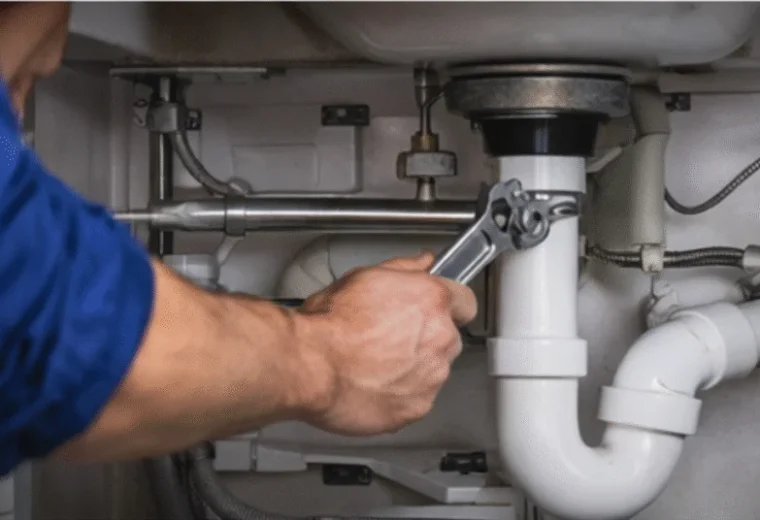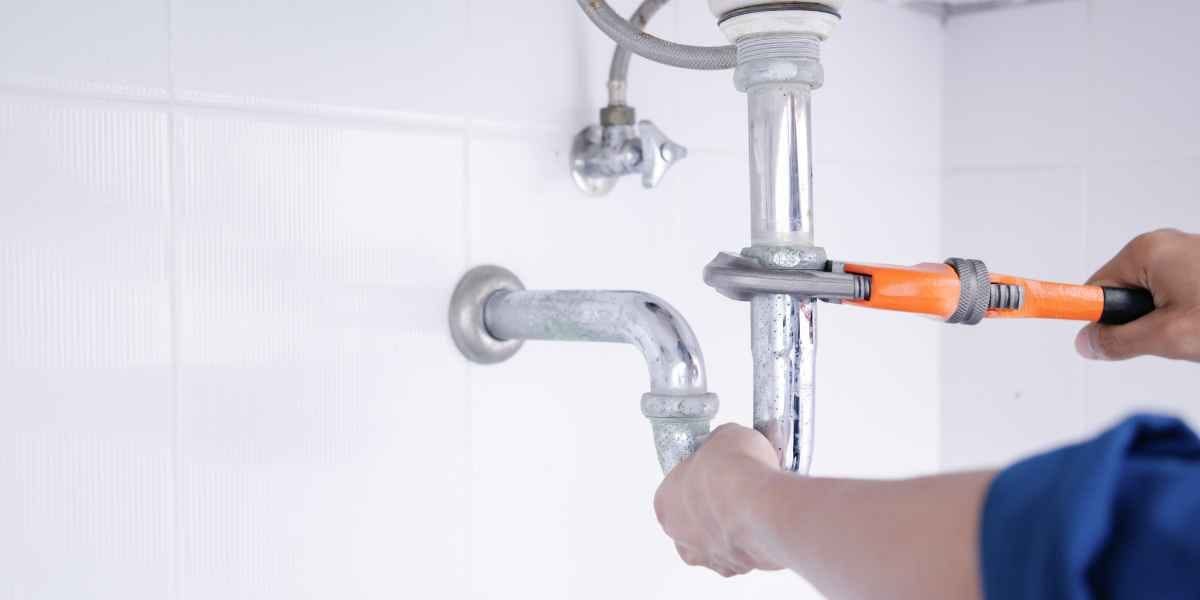
Every homeowner hits this fork in the road eventually — should I try fixing this myself, or is this a job for a professional? Knowing when to call a plumber vs DIY fix it yourself saves you money on the easy stuff, and saves you from making a bigger mess on the jobs that genuinely need expertise.
I’ve made both mistakes — paid a plumber for something I could’ve fixed in ten minutes, and also tried DIY-ing something I really shouldn’t have. Let’s help you avoid both.
The Quick Rule of Thumb
Deciding when to call a plumber vs DIY fix comes down to risk and reversibility — if a mistake could cause water damage, involve gas lines, or require specialized tools, call a professional. If it’s a simple part swap with low risk, DIY is usually fine.
1. Safe to DIY
- Replacing a tap washer or aerator
- Unclogging a slow drain with a plunger or baking soda solution
- Replacing a toilet flapper valve
- Re-sealing a leaky pipe joint with plumber’s tape (for minor drips only)
2. Call a Plumber For This
- Any leak from the main water supply line
- Water heater or geyser installation and gas connections
- Sewage line backups or persistent foul odors
- Low water pressure across the entire home, not just one fixture
3. Signs Your DIY Attempt Has Gone Wrong
If you’ve tightened something and it’s now leaking worse than before, stop immediately. Continuing to force a fix often turns a simple repair into pipe damage that costs far more to correct. [link to related guide about common plumbing problems here]
4. Cost Comparison: DIY vs Professional
- DIY tap washer replacement: ₹50-100 in parts
- Professional visit for the same job: ₹300-500 including labor
- DIY attempted pipe repair gone wrong: potentially ₹5,000-15,000 in damage repair
The math clearly favors DIY for small jobs, but the moment risk enters the picture, that math flips fast.
A Real Scenario Worth Considering
Picture a family in Jaipur noticing a slow drip under the kitchen sink. They ignore it for weeks, assuming it’s minor. By the time a plumber’s called, the cabinet base is water-damaged and needs replacement too — a job that started as a ₹500 fix ballooning into ₹8,000 total.
Questions to Ask Yourself Before DIY-ing
- Do I have the right tools for this specific fix?
- Is this a job I can undo easily if I get it wrong?
- Does this involve gas, electricity, or the main water line?
- Have I actually watched a reliable tutorial, or am I guessing?
If you answered “no” to the first two or “yes” to the third, call a professional.
FAQs
Q1. Is it cheaper to always DIY plumbing repairs? Only for simple, low-risk fixes. For anything involving major pipes or gas, professional repair is cheaper in the long run than fixing a botched DIY attempt.
Q2. What tools should every homeowner have for basic plumbing DIY? An adjustable wrench, plunger, plumber’s tape, and a basic drain snake cover most minor fixes.
Q3. How do I find a reliable plumber? Ask neighbors or check local reviews, and always get an estimate before work begins.
Q4. Can a wrong DIY plumbing fix void my home insurance claim? In some cases, yes, if the damage is deemed caused by improper DIY work — always check your policy terms.
Q5. Is it normal to need a plumber every year? For an average home, one or two minor plumbing visits a year is fairly normal, especially in older properties.
Q6. What plumbing issue most often turns into an emergency if ignored? A small, persistent leak — it seems minor but silently causes water damage over weeks or months.
Conclusion
Knowing when to call a plumber vs DIY fix it yourself isn’t about being handy or not — it’s about recognizing risk. Handle the small stuff confidently, but don’t hesitate on anything involving gas, major leaks, or the main water line. That judgment call alone will save you both money and a lot of unnecessary stress.