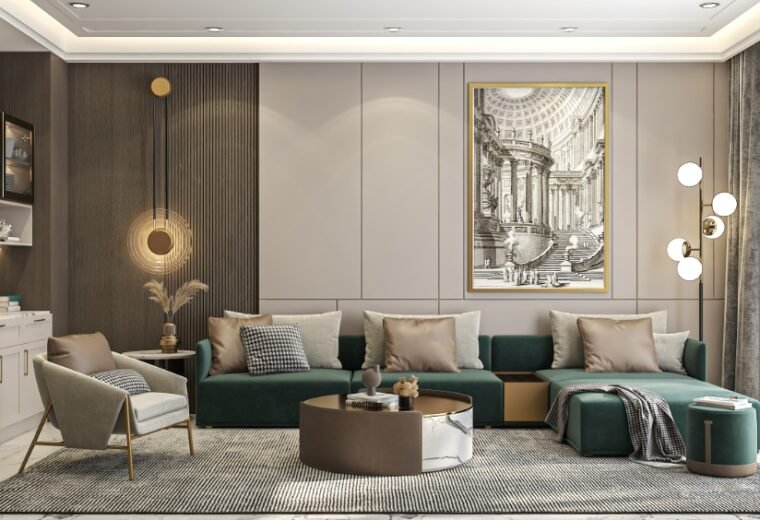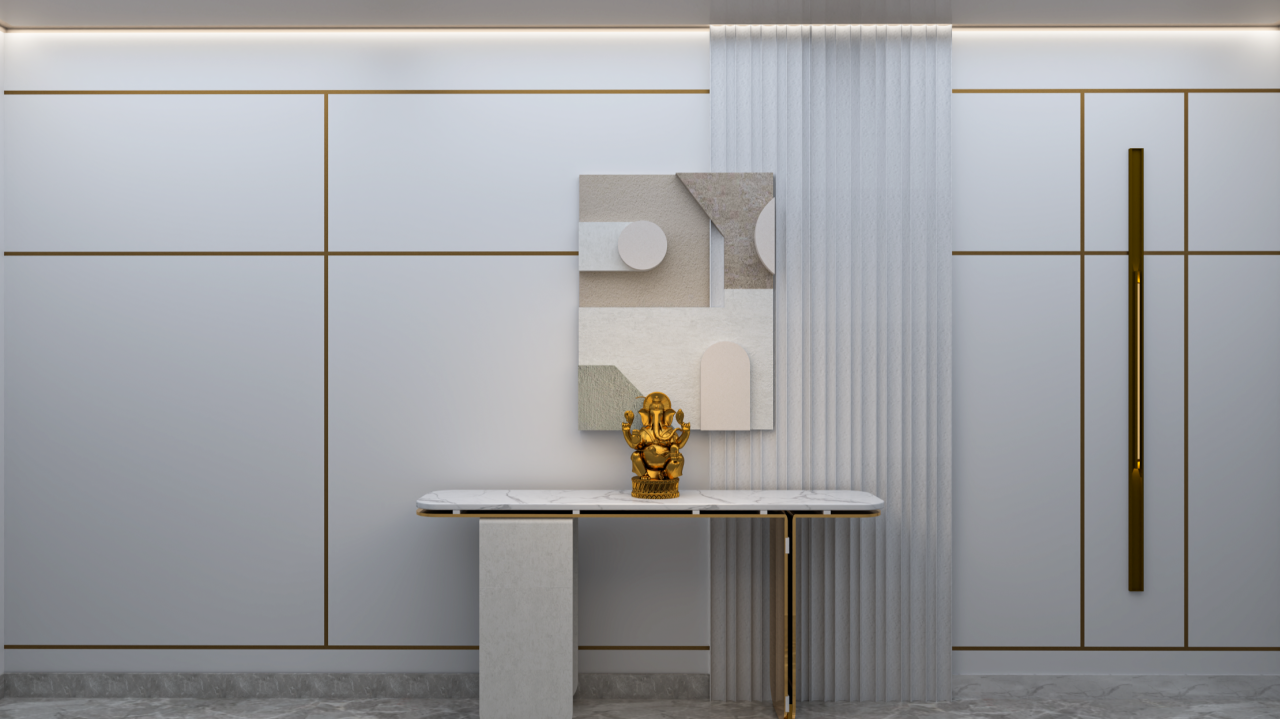
People often confuse minimalism with having an empty, cold home. That’s not really what good minimalist interior design ideas are about at all — it’s about keeping only what genuinely adds value, whether functional or emotional, and letting the rest go.
I resisted minimalism for years, assuming it meant a boring, sparse home. Once I actually tried it in one room, I understood the appeal — it’s less about having less, and more about having exactly enough.
What Is Minimalist Interior Design, Really?
Good minimalist interior design ideas focus on intentional selection rather than empty rooms — every item in the space serves a clear purpose or genuinely adds joy, with clean lines and a controlled color palette tying everything together.
1. Start With Decluttering, Not Buying
Before purchasing anything new, remove what you don’t actually use or love. Most homes have far more clutter than furniture gaps, and addressing that first often solves half the “design problem” already.
2. Choose a Limited Color Palette
Stick to two or three main colors throughout a space — typically a neutral base with one or two accent tones. This restraint creates the calm, cohesive look minimalism is known for.
3. Prioritize Quality Over Quantity
Minimalism isn’t about deprivation — it’s about choosing fewer, better things. One well-made sofa beats three mediocre furniture pieces crowding a room. [link to related guide about small space decorating ideas here]
4. Hide Storage, Don’t Eliminate It
A common misconception is that minimalism means no storage. In reality, good minimalist design just conceals storage behind clean cabinet fronts or built-ins, keeping visual clutter out of sight.
5. Let Negative Space Do Some Work
Empty wall space or uncluttered surfaces aren’t “unfinished” — they give the eye room to rest and make the items you do display stand out more intentionally.
Common Minimalist Design Mistakes
- Going too cold and sterile, removing all warmth and personality along with the clutter
- Buying “minimalist-looking” furniture that’s actually low quality and won’t last
- Treating minimalism as a one-time purge instead of an ongoing habit
- Forgetting texture — a purely flat, matte minimalist room can feel lifeless without some textural variety
Isn’t it strange how a cluttered room can feel exhausting just to look at, even before you’ve done anything in it? That mental clutter tax is real, and it’s a big part of why minimalism resonates with so many people right now.
6. Incorporate Warm Textures
Add warmth through natural materials — a wool throw, a wooden bowl, linen curtains. This keeps minimalism from tipping into cold sterility.
7. Keep Personal Items, Curated
Minimalism doesn’t mean removing personality — it means displaying fewer personal items more intentionally, like one meaningful photo frame instead of a cluttered gallery wall.
A Room-by-Room Minimalist Approach
Start with one room — often the living room or bedroom — rather than attempting your whole home at once. Once you experience how that single space feels, applying the same principles elsewhere becomes much more intuitive.
FAQs
Q1. Does minimalist design mean having very little furniture? Not necessarily — it means having only furniture that’s genuinely useful or loved, regardless of quantity.
Q2. How do I start decluttering for a minimalist home? Begin with one room, remove anything unused in the last year, and be honest about what you actually need versus what you’re keeping out of habit.
Q3. Can a minimalist home still feel warm and personal? Yes, through natural textures, warm lighting, and a few carefully curated personal items rather than a purely stark aesthetic.
Q4. Is minimalist design more expensive than other styles? Not inherently — while quality pieces can cost more upfront, buying fewer items overall often balances out the total spend.
Q5. How do I maintain a minimalist home long-term? Regularly reassess what you own, and adopt a “one in, one out” habit when bringing new items into the space.
Conclusion
Good minimalist interior design ideas aren’t about emptiness — they’re about intention. Declutter first, choose quality over quantity, and don’t be afraid to add warmth through texture and a few meaningful personal touches. Done right, minimalism creates a home that feels calm without feeling cold.
Suggested Alt Text: “Minimalist bedroom with neutral palette, natural textures, and uncluttered surfaces”